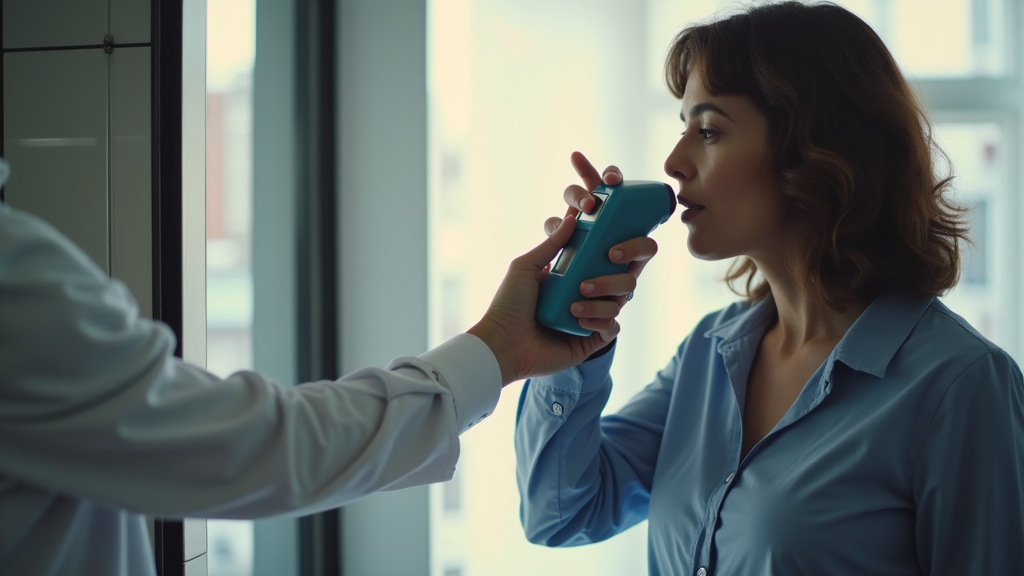
Inglewood DUI Lawyer: Your Guide to Legal Defense
Overview:
You've found yourself in a challenging situation—facing a DUI (Driving Under the Influence) charge in Inglewood, California. This guide will empower you to navigate the legal system, understand your rights, and explore potential defense strategies. By following these steps, you'll gain clarity and make informed decisions to protect your freedom and future.
What You'll Achieve:
- Understand the DUI process and legal options available in Inglewood.
- Gather essential evidence and documents required for your defense.
- Explore various legal defenses and potential outcomes.
- Know when to seek professional legal counsel from an Inglewood DUI lawyer.
Step 1: Understanding the DUI Laws in California (Beginner)
Time Estimate: 2 hours
Resources: California Vehicle Code, Online legal research tools
Steps:
- Familiarize yourself with California's DUI laws: The state has strict regulations regarding driving while under the influence of alcohol or drugs. Understand the definitions, penalties, and different types of offenses (e.g., first-time offender vs. multiple infractions).
- Research the legal process: Learn about arrest procedures, field sobriety tests, blood/breath tests, and their admissibility in court. Know your rights during detention and questioning.
- Explore potential defenses: Familiarize yourself with common defenses like lack of intent, faulty equipment, or procedural irregularities. Understand when these might apply to your case.
- Note the role of an attorney: An Inglewood DUI lawyer can provide expert guidance, negotiate with prosecutors, and represent you in court. Consider hiring one early for a comprehensive understanding of your options.
Decision Point: Do you feel prepared to proceed without legal assistance? If unsure, consider consulting for initial advice.
Step 2: Gathering Evidence and Documentation (Intermediate)
Time Estimate: 3-4 hours (initial collection)
Resources: Personal records, medical reports, witness statements, police reports
Implementation Checklist:
- Collect personal records: Gather your driver's license, vehicle registration, insurance cards, and any previous traffic violations or court documents related to the case.
- Obtain medical records: Request copies of any hospital or clinic records that document your condition on the arrest date. Include information about medications or treatments received.
- Gather witness statements: Reach out to bystanders or passengers who can provide accounts of the incident, emphasizing their observation of your behavior and driving abilities.
- Request police reports: Obtain a copy of the arresting officer's report, including any notes on field sobriety tests, observations, and evidence collected.
- Document expenses: Keep track of legal fees and related expenses for potential reimbursement if you are found not guilty or the case is dismissed.
Scenarios:
- If you were involved in an accident, gather crash reports and repair estimates.
- Witnesses are scarce, consider using expert witnesses who can testify to your character or driving abilities.
Step 3: Analyzing Your Case and Exploring Defenses (Advanced)
Time Estimate: 4-6 hours
Resources: Legal research databases, case law, past court records
Steps:
- Review arrest details: Examine the circumstances of your arrest, including time, location, and any peculiar events. Look for potential violations of your rights or procedural errors.
- Conduct legal research: Use online resources and case law to explore defenses relevant to your situation. Study past court decisions involving similar cases in Inglewood to understand potential outcomes.
- Identify weaknesses in the prosecution's case: Look for gaps in evidence, inconsistencies in witness statements, or questions about test accuracy (e.g., Calbreath or field sobriety test results).
- Consider alternative explanations: Evaluate if your actions were a result of medical conditions, emergency situations, or misperceptions by officers.
- Prepare a strategy: Based on your research and gathered evidence, form a defense plan with potential arguments to present in court.
Troubleshooting Guide:
- If you believe excessive force was used during arrest, consult an attorney specializing in police misconduct cases.
- Inconsistencies in test results might require expert analysis; discuss this with your lawyer.
Step 4: Consulting with an Inglewood DUI Lawyer (Intermediate)
Time Estimate: 2-3 hours for initial consultation
Resources: Local bar association, online attorney directories, referrals from trusted sources
Decision Tree:
- Identify qualified attorneys: Search for lawyers specializing in DUI defense in Inglewood. Check their credentials, experience, and client testimonials.
- Schedule a consultation: Meet with several attorneys to discuss your case. Be prepared to share evidence, police reports, and potential defenses.
- Evaluate attorney skills and approach: Consider their communication style, legal expertise, and understanding of local courts. Choose someone who makes you feel comfortable and confident.
- Discuss fees and representation: Review the lawyer's fee structure (hourly rates, contingencies) and understand their role in your defense.
Real-World Example:
Attorney X has successfully defended numerous DUI cases in Inglewood Court. Their strategic approach involves challenging test results and leveraging character witnesses to build a compelling defense.
Step 5: Preparing for Court Appearances (Beginner - Advanced)
Time Estimate: Varies (initial preparation 4-6 hours, ongoing)
Resources: Attorney guidance, legal research, court documents
Implementation Checklist:
- Understand court procedures: Familiarize yourself with the local court's rules and procedures for DUI cases. Know what to expect during hearings and trials.
- Prepare documents: Organize all collected evidence, police reports, medical records, and witness statements. Ensure they are clearly labeled and ready for presentation.
- Rehearse your statement: Practice telling your story coherently and confidently. Prepare responses to potential questions from the judge or prosecutor.
- Build a character defense (if applicable): Gather affidavits or letters from friends, family, or colleagues attesting to your good character and responsible behavior.
- Anticipate cross-examination: Expect tough questioning during trial. Prepare answers that remain truthful while avoiding self-incrimination.
Step 6: Attending Court Hearings and Trials (Beginner - Advanced)
Time Estimate: Varies (hearings 1-3 hours, trials 1-5 days or more)
Resources: Attorney guidance, court staff support
Steps:
- Arrive early for hearings: Ensure you are punctual for all court appearances to make a good impression on the judge and avoid potential delays.
- Follow the attorney's instructions: During hearings, listen carefully and respond as directed by your lawyer. Do not discuss your case with others in the courtroom.
- Present evidence and arguments: When called upon, present your evidence, witness testimony, and legal arguments coherently and concisely.
- Remain composed during trial: If testifying, speak clearly and answer questions honestly. Stay calm and avoid emotional reactions.
- Attend all scheduled court dates: Trials may involve multiple days of proceedings. Ensure you are present for each session to actively participate in your defense.
Step 7: Post-Trial Actions (Advanced)
Time Estimate: 1-2 hours
Resources: Attorney guidance, court records
Implementation Checklist:
- Review the verdict: Understand the judge's decision and next steps if found guilty or not guilty.
- Consider appeals (if applicable): If the outcome is unfavorable, discuss appeal options with your attorney. Gather additional evidence that may strengthen your case on appeal.
- Pay fines and restitution: Ensure timely payment to avoid penalties or delays in case resolution.
- Update insurance records: Inform your insurance provider about the case outcome to understand potential impacts on your policy and rates.
- Seek closure and support: Regardless of the result, process emotions with trusted friends or professionals to move forward.
Troubleshooting Common Challenges:
- Proving a defense: Some defenses require specific evidence (e.g., witness availability, medical records). Be prepared to gather supporting documentation.
- Dealing with legal jargon: Your attorney will explain complex terms and guide you throughout the process.
- Court delays: Understand that trials may be postponed, and be patient during the legal process.
Conclusion:
Navigating a DUI charge is challenging, but with thorough preparation and expert guidance, you can make informed decisions. By following these steps, gathering evidence, and seeking professional help when needed, you'll be better equipped to protect your rights and achieve the best possible outcome in Inglewood courts. Remember, legal processes vary, so consult with an attorney for personalized advice tailored to your unique circumstances.
October 28, 2026
ca662c
In the complex field of California's legal system, particularly within Los Angeles County, navigating a DUI charge can be a daunting task. The lawyer matters in guiding individuals through this…
Read more →
October 26, 2026
ca662c
In the complex field of Los Angeles County's legal system, those facing DUI charges in Inglewood require a skilled advocate. DUI offenses, as governed by the California Vehicle Code, carry…
Read more →
October 17, 2026
ca662c
Driving under the influence (DUI) is a serious issue with significant legal repercussions. In Inglewood, as in many places, the penalties for a DUI conviction can be severe, impacting your…
Read more →
October 12, 2026
ca662c
In a world where driving under the influence (DUI) can have severe legal and personal consequences, seeking expert guidance is paramount. Inglewood DUI Lawyer plays a pivotal role in navigating…
Read more →
October 11, 2026
ca662c
Driving under the influence (DUI) is a serious issue with significant legal repercussions. In Inglewood, California, where enforcement efforts are stringent, individuals charged with DUI face stringent penalties and long-lasting…
Read more →
October 10, 2026
ca662c
Driving under the influence (DUI) is a serious issue with profound consequences. In Inglewood, as in many places, navigating the legal system after a DUI arrest can be complex and…
Read more →
October 9, 2026
ca662c
Driving under the influence (DUI) is a serious issue with significant legal ramifications, particularly in areas like Inglewood. If you've been arrested for DUI, you need an experienced and knowledgeable…
Read more →
October 8, 2026
ca662c
In the competitive landscape of legal services, especially within specialized areas like DUI (Driving Under the Influence) law, choosing the right representation can be a game-changer for individuals facing these…
Read more →
October 7, 2026
ca662c
Driving under the influence (DUI) is a serious issue with significant legal consequences. For those facing charges in Inglewood, securing the assistance of an experienced Inglewood DUI lawyer can be…
Read more →
October 6, 2026
ca662c
Driving under the influence (DUI) is a serious issue with severe consequences. In Inglewood, as in many places, strict laws aim to deter impaired driving, but navigating these legalities can…
Read more →